
Tag: seniorsupport

  • 🤝 Connecting with Loved Ones Through Technology

    🤝 Connecting with Loved Ones Through Technology

    How Zoom, Skype, and Social Media Can Help Seniors Feel Close—No Matter the Distance

    Staying in touch with the people we care about is one of life’s greatest joys. Whether it’s catching up with the grandkids, chatting with an old friend, or sharing a laugh with family, connection keeps us feeling grounded and loved. But for many seniors, especially those who live alone or far from family, staying connected can sometimes feel challenging. That’s where technology comes in—with a little help, it can be a wonderful tool to bring your favorite people closer.

    The best part? You don’t have to be a tech expert to use it.

    📹 The Magic of Video Calls

    Seeing someone’s face—even on a screen—makes a huge difference. With video calling apps like Zoom, Skype, or FaceTime, you can enjoy real conversations, share a smile, or watch your grandchild blow out birthday candles in real time. Whether you’re near or far, these simple tools make it easy to feel together—even when you’re apart.

    Most smartphones, tablets, and computers already have everything you need. You just download the app, tap a name, and start the conversation. And remember—your kids or grandkids are often more than happy to help set it up.

    📱 Staying in the Loop with Social Media

    Social media platforms like Facebook make it easy to see what your loved ones are up to. You can scroll through photos, leave comments, send messages, and even join private family groups where only your relatives share updates. It’s a beautiful way to witness daily life—from baby photos to travel stories—without having to wait for a phone call.

    Many seniors find that Facebook helps them feel more included, more informed, and more connected to family and old friends alike.

    💛 Fighting Loneliness, One Call at a Time

    Isolation can be tough, especially in quieter seasons of life. But even a short chat or video call can lift your spirits and make you feel part of something meaningful. Staying socially connected through technology has been shown to reduce feelings of loneliness and even support mental wellness.

    By seeing a familiar face or hearing a loved one’s voice, you’re reminded that you matter—and that you’re never truly alone.

    🛠️ Getting Started is Easier Than You Think

    To start using video calls or social media, all you need is a smartphone, tablet, or computer and a connection to the internet. Most devices already have the apps you’ll need—or you can download free ones like Zoom, Skype, or Facebook right from your device’s app store.

    Don’t worry if it feels new or unfamiliar. It’s okay to ask for help from a family member, neighbor, or even a librarian. With just a little support, you’ll be clicking and chatting in no time.

    🔐 Staying Safe While You Stay Connected

    As you begin exploring online tools, it’s important to stay safe. Only connect with people you know, and ignore messages from strangers. Keep your profiles private, use strong passwords, and don’t be afraid to ask for help if something seems suspicious.

    At Golden Guidance, we also offer step-by-step posts on online safety, so you can enjoy technology with confidence and peace of mind.

    🌟 It’s Never Too Late to Start

    You’re never too old to learn something new—and connecting with loved ones through technology is one of the most rewarding places to begin. It doesn’t have to be complicated, and you don’t have to do it alone. With just a few taps or clicks, you can feel close to the people you love, no matter where they are.

    So take that first step today. Call a grandchild. Join a family group chat. Watch a birthday party unfold on your screen. It’s all waiting for you—one connection at a time.

    💬 Want help getting started?

    Follow Golden Guidance for simple, gentle tech tips made just for seniors. FOLLOW US ON FACEBOOK
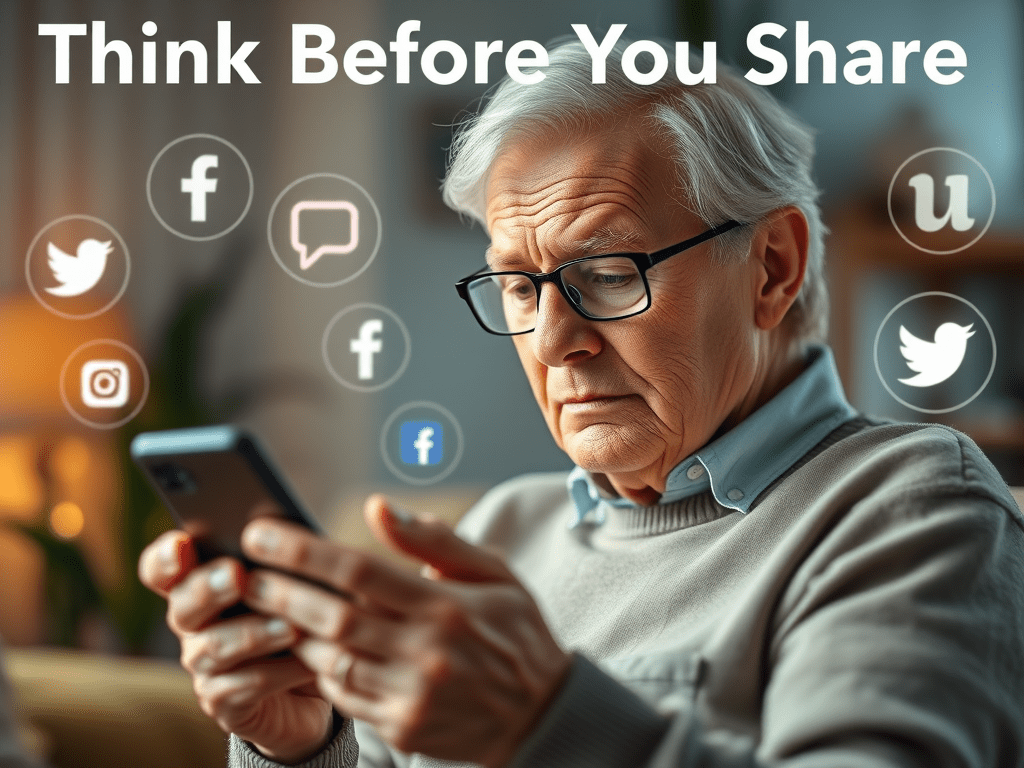
  • 🛡️ Think Before You Share: Social Media Safety for Seniors

    🛡️ Think Before You Share: Social Media Safety for Seniors

    How to stay safe and protect your privacy online

    Social media is a wonderful way to stay connected with friends, children, and grandchildren. It helps us share photos, stay in the loop, and feel part of a community—even from the comfort of home. But while social media brings us closer together, it’s also important to be thoughtful about what we share. Why? Because not everyone online has good intentions.

    The good news is, you can still enjoy social media safely with just a few simple steps. In this post, we’ll show you what to watch out for, how scammers use your information, and how to adjust your privacy settings so only the people you trust can see your posts.

    🤔 What You Should Be Careful About Sharing

    When you post something online, it may seem like it’s just going to family and friends—but sometimes it reaches much farther. Scammers and strangers can see what you share if your settings aren’t private.

    Here are a few things to avoid posting publicly:

    • Your full birthdate
    • Your home address or phone number
    • Travel plans like “Leaving for a week!”
    • Personal routines (e.g., “I go to the same cafĂŠ every morning”)
    • Security clues like your pet’s name, mother’s maiden name, or favorite color (common security questions)

    Even photos can reveal more than you think. For example, pictures taken in your home might show prescription bottles, mail, or IDs in the background. These details can be used to guess passwords or even steal your identity.

    🚨 How Scammers Use Shared Information

    Online scammers are sneaky. They gather small details over time from public posts to build a full profile of you. For example, if you share your birthday, dog’s name, and favorite sports team, a scammer might be able to answer your security questions and reset your account passwords.

    Some scammers also pretend to be someone you know. They might copy your profile photo and make a fake account using your name to trick others. Others watch for vacation posts to target empty homes.

    That’s why protecting your information isn’t about being secretive—it’s about being smart.

    🔧 How to Adjust Your Privacy Settings

    The easiest way to protect yourself is to change your social media settings so only friends can see your posts. Here’s how to do it on Facebook:

    1. Go to Settings & Privacy
    2. Select Privacy Checkup
    3. Choose “Who can see what you share?”
    4. Set your posts and personal information to “Friends Only”

    You can also:

    • Remove your birthday from public view
    • Limit who can send you friend requests
    • Use Facebook’s “View As” tool to see what others see on your profile

    Taking five minutes to do this can protect you from countless scams and unwanted attention.

    ✅ Safe Sharing Tips for Every Day

    Here are a few simple habits to keep in mind:

    • Only accept friend requests from people you know personally
    • Don’t click on suspicious links, even if they come from someone you know
    • Wait until after a trip to post about it
    • Use strong passwords and don’t reuse them across sites
    • Log out of accounts when using a shared device

    And most importantly, trust your gut. If something feels off, take a moment to double-check or ask a trusted friend or family member for help.

    🌟 Conclusion: Stay Connected and Stay Safe

    At Golden Guidance, we believe social media should feel safe, fun, and empowering—not stressful. You deserve to enjoy the benefits of technology without worrying about scams or strangers. By being careful with what you share and who sees it, you can stay in control and protect your peace of mind.

    Want more helpful tips like this? Follow us on Facebook and share this post with a loved one who could use a little guidance.

  • 🛑 How to Recognize Spam Emails, Phone Numbers & Links

    🛑 How to Recognize Spam Emails, Phone Numbers & Links

    Simple ways to stay safe and confident online

    In today’s world, technology connects us to friends, family, and helpful services—but it also brings unwanted spam. These messages often pretend to be from people or companies we trust and are designed to trick us into giving away personal information. The good news? You don’t need to be a tech expert to stay safe. By learning a few warning signs, you can confidently avoid scams and protect your privacy.

    ✉️ Spotting Spam Emails

    Spam emails might look real at first, but there are usually clues that something isn’t right. Start by checking the sender’s email address—scammers often use addresses that look strange or don’t match the company’s real name. Watch for poor spelling, awkward wording, or urgent messages that say things like “Your account will be shut down!” or “Click here to claim your reward.” These messages are designed to scare or excite you into clicking without thinking. When in doubt, don’t open links or attachments, and never reply with personal information.

    📞 Recognizing Suspicious Calls and Texts

    Scam calls and texts are becoming more common. They may come from a number that looks local or even familiar. The caller might claim to be from your bank, Medicare, or a delivery company. If someone you don’t know asks for your Social Security number, bank details, or access to your computer—hang up right away. For texts, avoid clicking links unless you know exactly who sent them and why. When possible, let unknown numbers go to voicemail so you can review the message safely.

    🔗 How to Tell if a Link is Unsafe

    Links in spam emails or texts can lead to dangerous websites. These fake pages might look like the real thing but are designed to steal your passwords or install harmful software. Before clicking a link, hover your mouse over it (or press and hold on a phone) to preview the full address. If it looks unusual or doesn’t match the company’s website, it’s best not to click. You can also type the web address directly into your browser to be sure you’re going to the right place.

    💡 Trust Your Instincts—And Ask for Help

    If something feels “off” or seems too good to be true, it probably is. Spam and scam messages often use pressure or fear to get a quick response. Take your time. Read carefully. If you’re ever unsure, ask a family member or friend to take a look. It’s never a bother—it’s smart. Remember, it’s okay to delete, ignore, or hang up. Your safety and peace of mind come first. At Golden Guidance, we believe learning technology should feel calm and empowering. Stay connected with us for more simple, step-by-step advice to help you stay safe and confident in today’s digital world.